Medieval child’s tunic
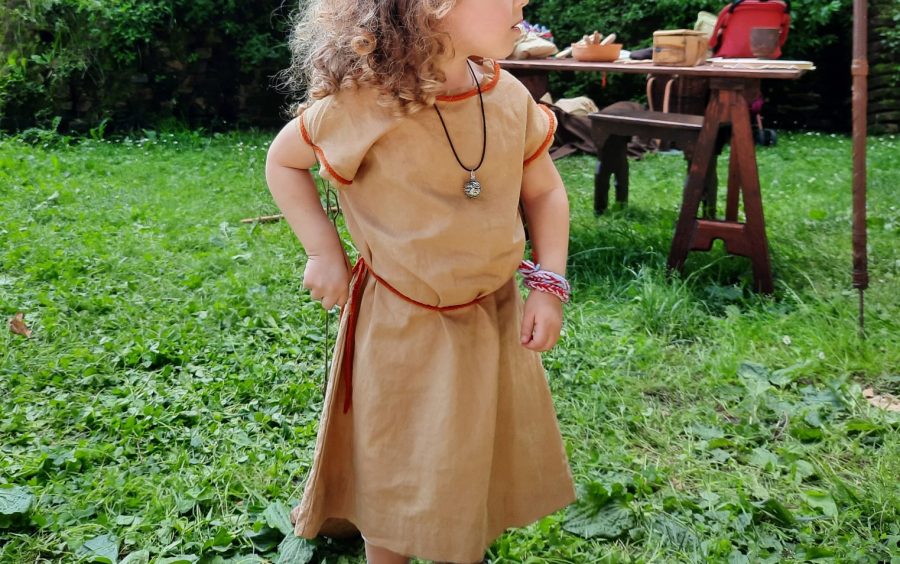
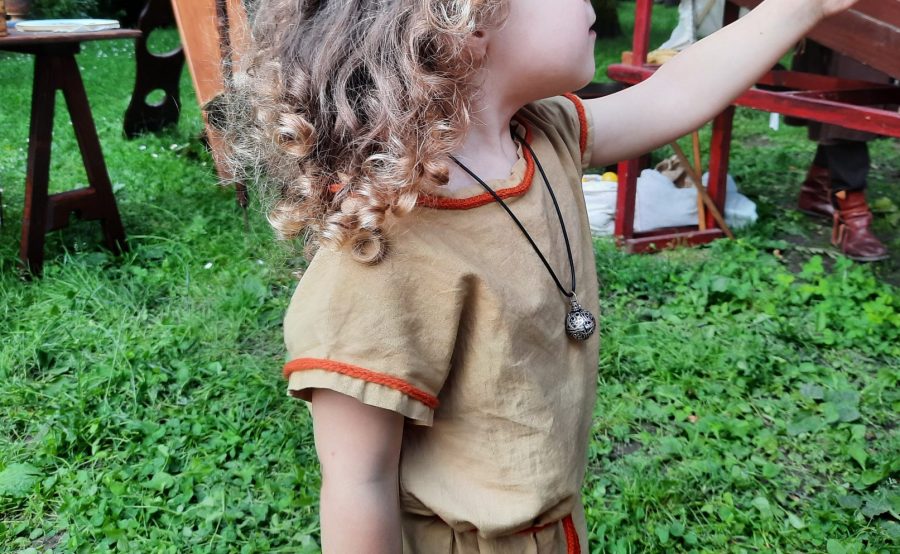
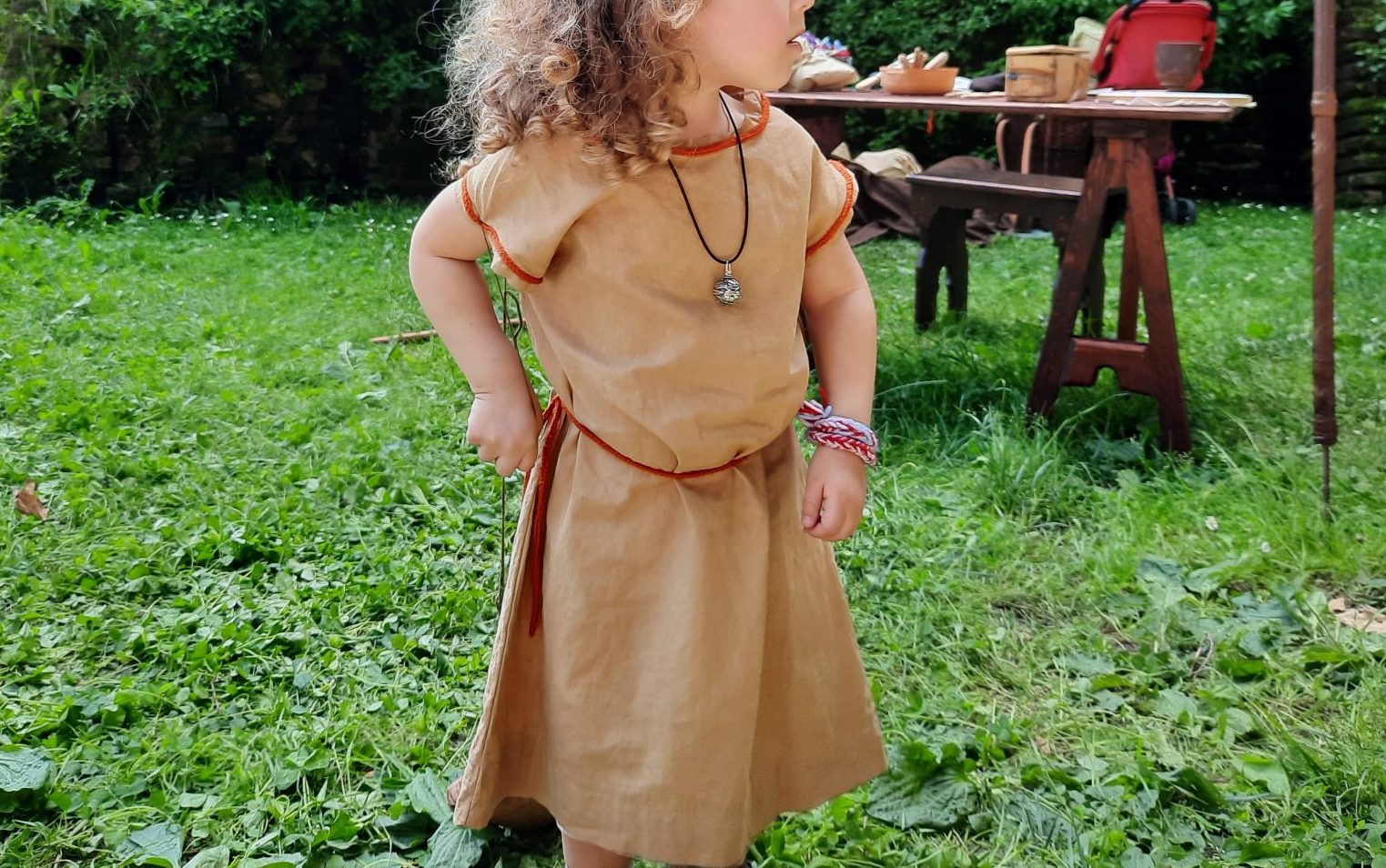
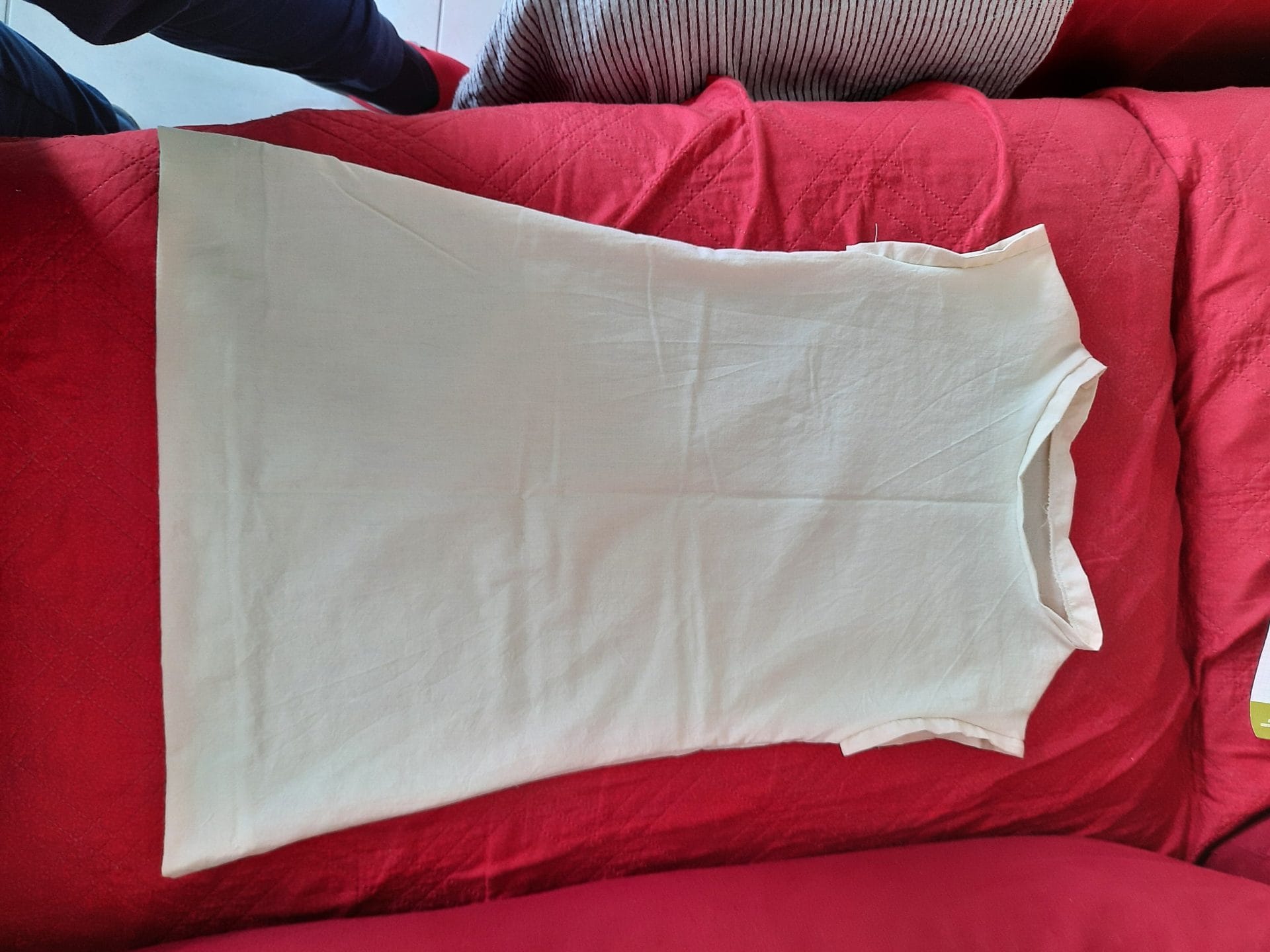
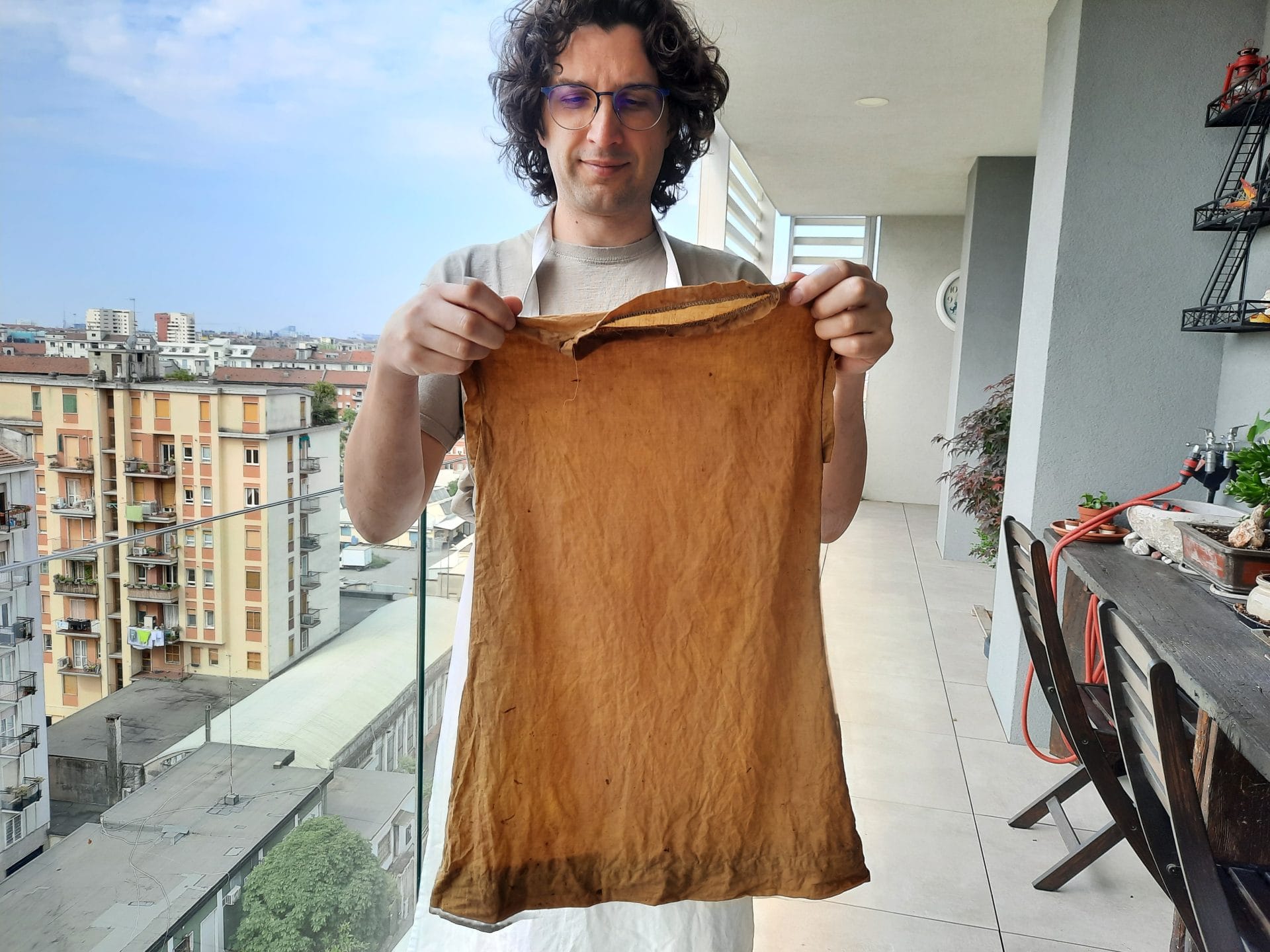
Medieval child’s tunic out of old bedsheets.
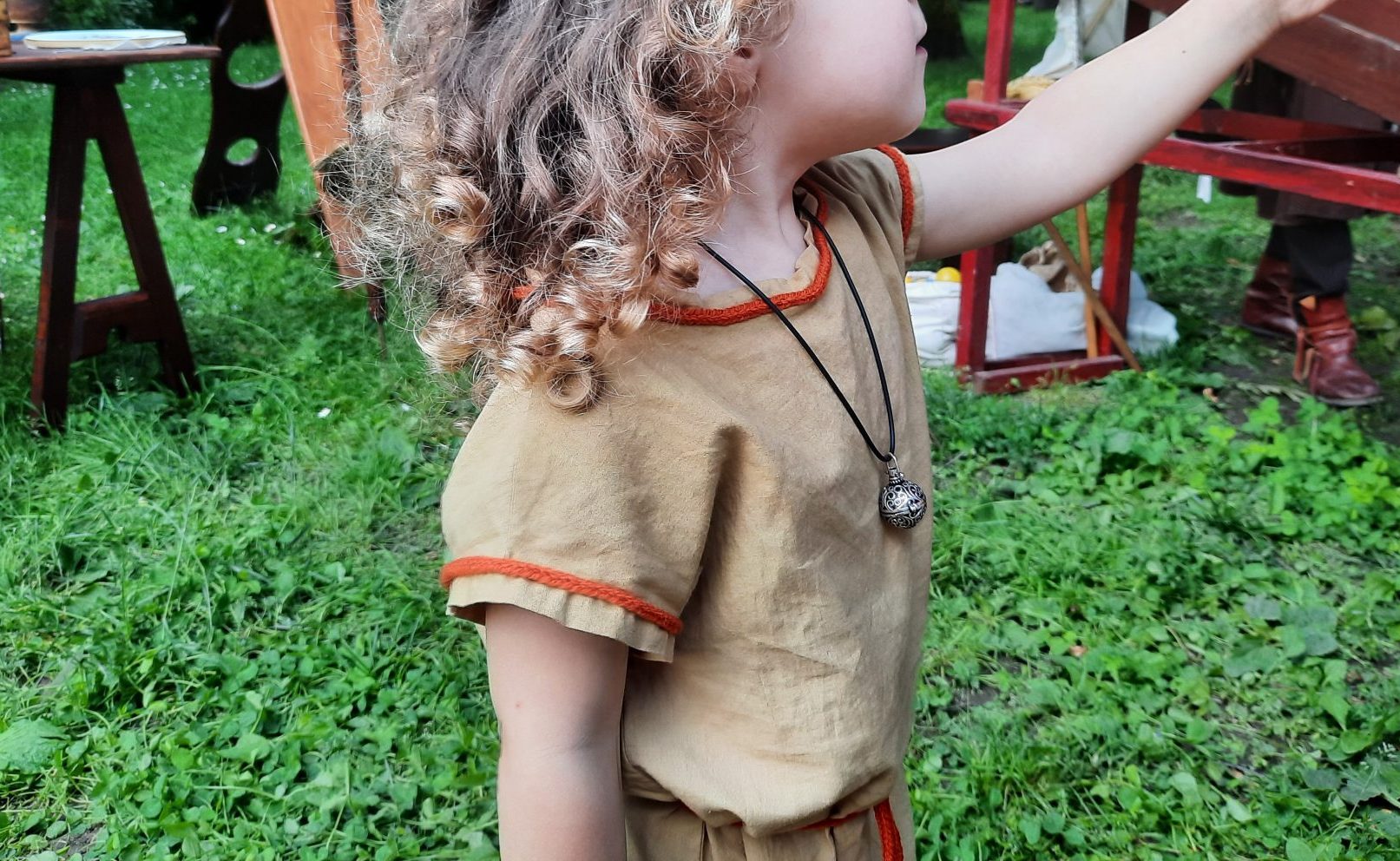
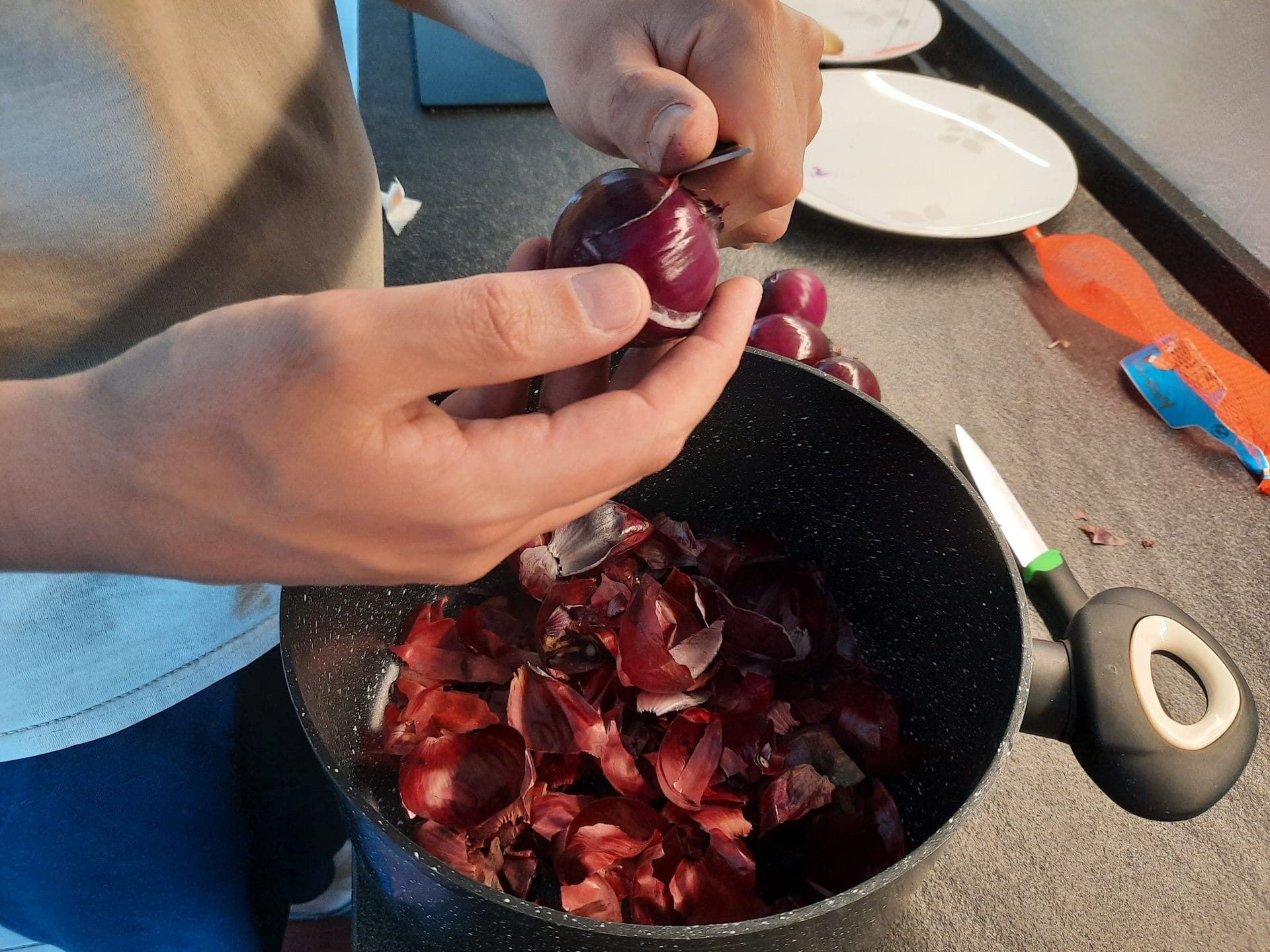
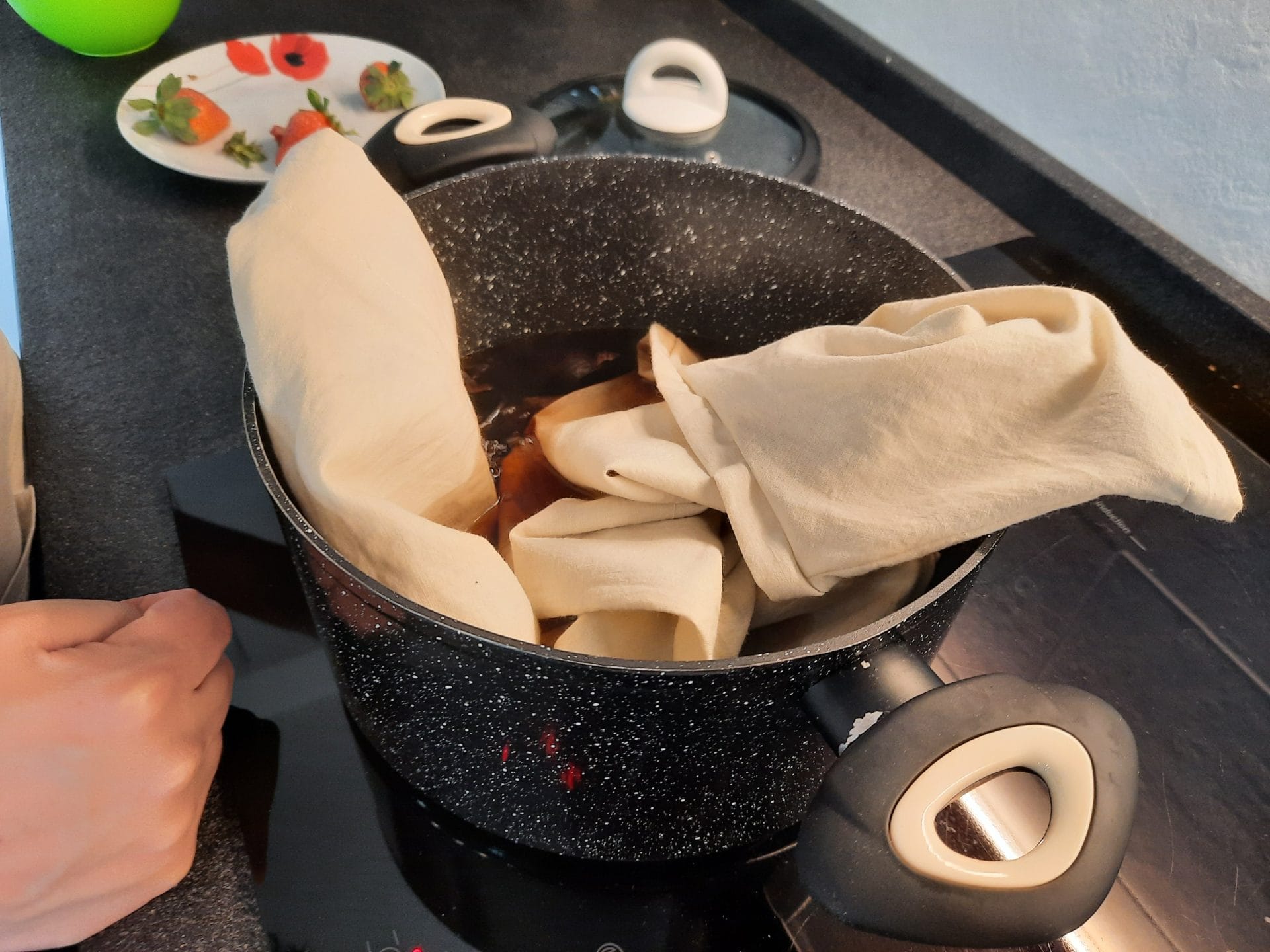
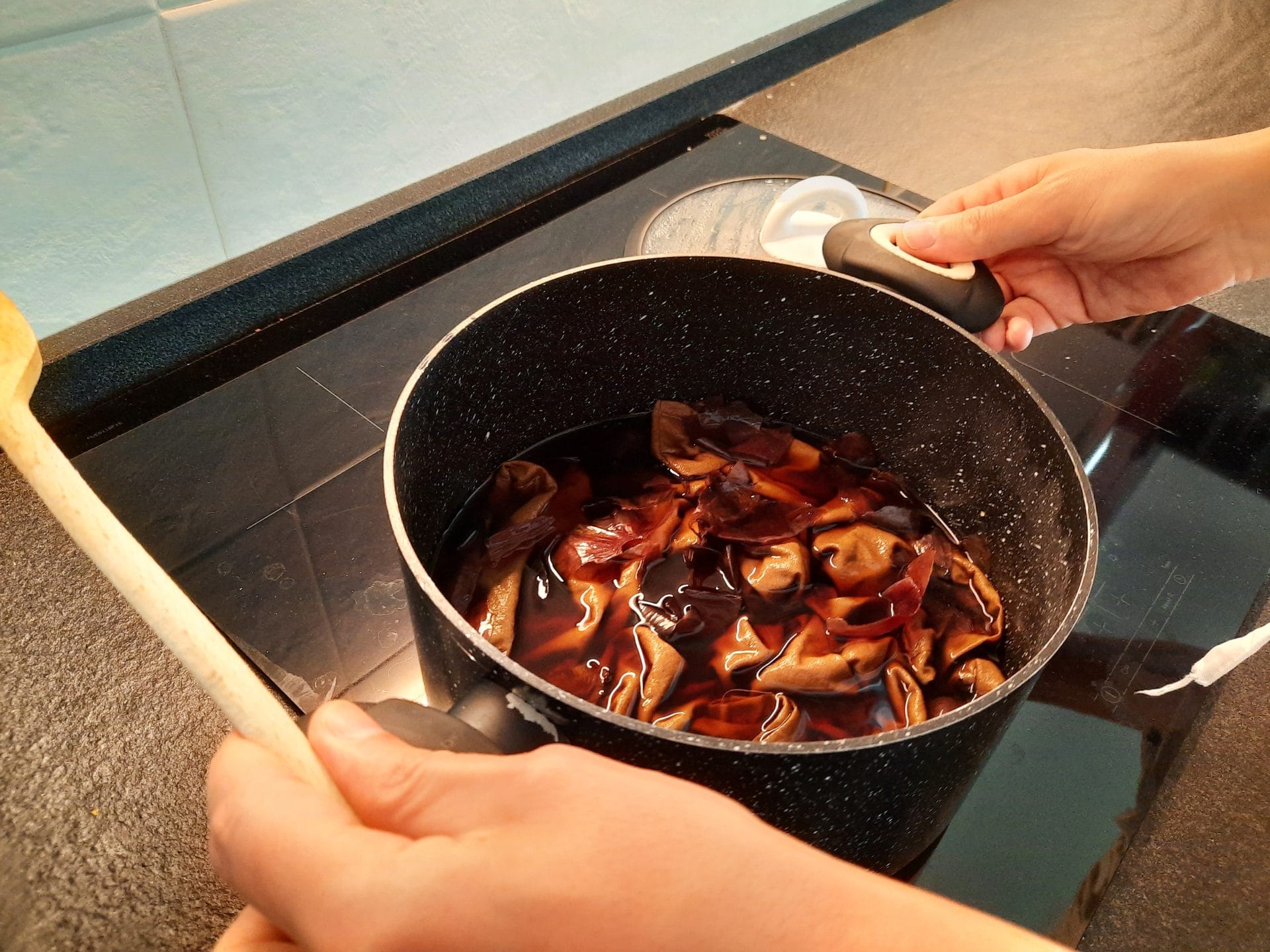
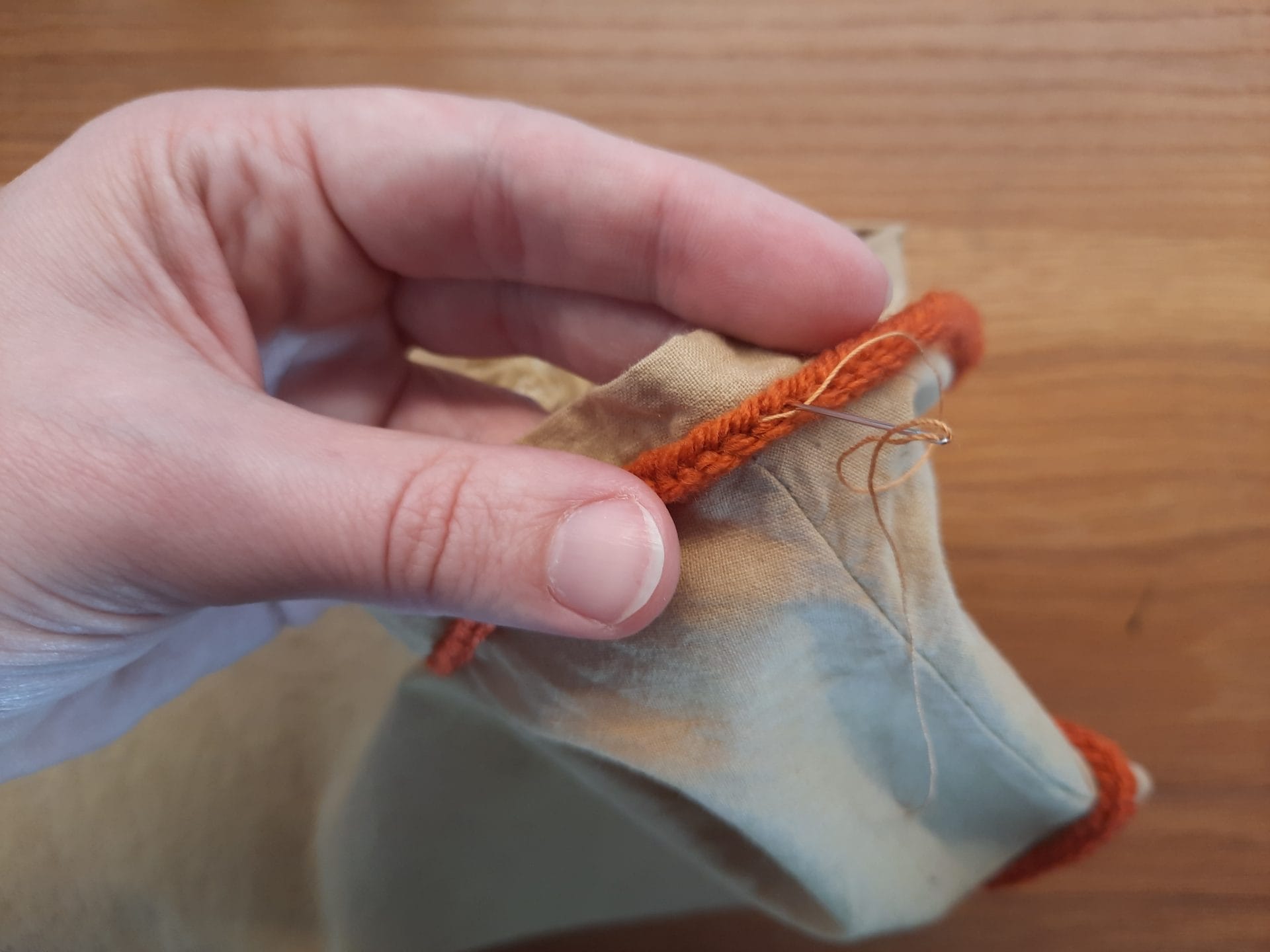
The fabric has been dyed with onions to give it an orangish tone. Completed with orange decorative braids on the neckline and arm holes, made using the lucet tool for cordmaking. The belt has been made with the same braiding method and yarn.


Support our work!
Enjoy this website?
Please consider a small tip to say thanks.
(No account required!)


This project was crafted by

Rici86
Crafted projects: 45
A front-end developer by profession, she also holds a degree in archaeology and has worked for more than a decade in museums and on archaeological digs.
Her main crafting passions are lucet cordmaking (on which she is conducting historical research), embroidery and string art, though she enjoys experimenting with new techniques. She excels at tasks requiring patience and precision, particularly careful refinishing, cleaning, and perfecting fine details.
She is the author of The Lucet Compendium: a historical exploration and practical guide, co-written with Daniel C. Phelps.
For several years she has been researching the history of antique sewing machines, beginning with Singer. She created a searchable database of Singer serial numbers and has since focused on reconstructing as much information as possible about individual machines. Her goal is for a serial number to reveal not only the date and factory of manufacture, but also details such as decoration sets and available manuals.
She is also an Irish dancer and shares this passion with her husband : they first met through their dance academy.
Her main crafting passions are lucet cordmaking (on which she is conducting historical research), embroidery and string art, though she enjoys experimenting with new techniques. She excels at tasks requiring patience and precision, particularly careful refinishing, cleaning, and perfecting fine details.
She is the author of The Lucet Compendium: a historical exploration and practical guide, co-written with Daniel C. Phelps.
For several years she has been researching the history of antique sewing machines, beginning with Singer. She created a searchable database of Singer serial numbers and has since focused on reconstructing as much information as possible about individual machines. Her goal is for a serial number to reveal not only the date and factory of manufacture, but also details such as decoration sets and available manuals.
She is also an Irish dancer and shares this passion with her husband : they first met through their dance academy.