Skip to main contentSkip to footer

Vintage sewing machines research and resources

All our resources on vintage sewing machines in one place.

Our main focus is documenting the history of vintage Singer sewing machines and making that information easy to access. Our largest project is the Singer Serial Number Database, which lets you identify a machine by its serial number and discover its model, production year, factory and, whenever available, the original decals, manuals, spare parts lists and other related resources.

By collecting, reviewing and cross-referencing different historical records and verified machines, we’ve also been able to research topics such as Singer decals and ornamentation, the production of Singer factories around the world, and many other aspects of Singer’s manufacturing history.

Beyond Singer, you’ll also find articles on vintage sewing machine history, toy machines, restoration and repairs, manuals and other resources, our own collection of antique machines, and a community where enthusiasts can ask questions, share knowledge, help one another.

Like many collectors, we started with just a single vintage sewing machine and quickly fell down the rabbit hole of sewing machine history. This section is where we share what we’ve learned along the way, hoping it helps others preserve and enjoy these remarkable machines. 
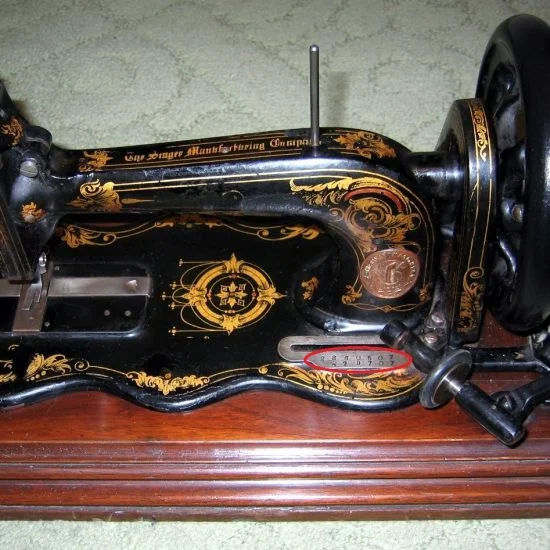
Table of contents

Singer Serial Number Database

Our largest research project is the Singer Serial Number Database, where we have collected and cross-referenced historical records, verified machines, manuals, decals and factory information. The database allows you to identify your Singer machine by serial number and discover information about its history.

Our database combines Singer’s historical production records with information collected from verified surviving machines. By cross-referencing serial numbers, models, factories, decals and other historical data, we are building one of the most detailed resources available for vintage Singer sewing machines.

You can also help expand the database. If you own a Singer sewing machine and know its serial number, model or other details, submit your machine through our contribution form and help us improve historical records for future enthusiasts.

Manuals and spare parts lists

Once you have identified your machine, the next step is finding the right documentation.

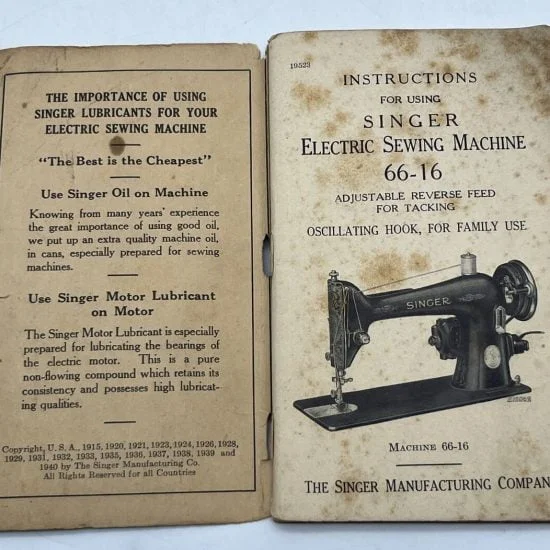
Our collection includes user manuals to help you operate your machine, service manuals and adjustment guides for self-repairing and troubleshooting, spare parts lists to help you locate a missing or broken piece. You can filter resources by machine class and language to quickly find the documentation you need.

If you do not know the class of your machine, use our database searches, for Singer and for Pfaff: if we know the class associated to your serial number and a manual is available, you’ll get it right away in the search results.

Singer decals identification guide and historical resources

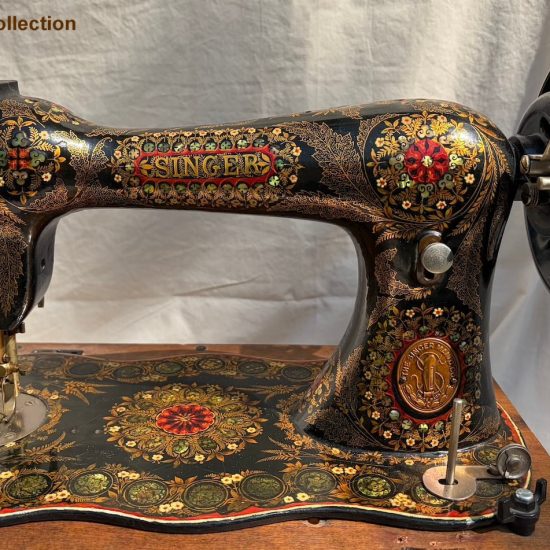
Singer sewing machines are famous for their beautiful decals and ornamental designs. Identifying the correct decal set can be an important part of restoring a vintage machine.

Using information from verified machines in our database, we are researching decal patterns, their names, production periods and the factories where they were used.

Singer factories

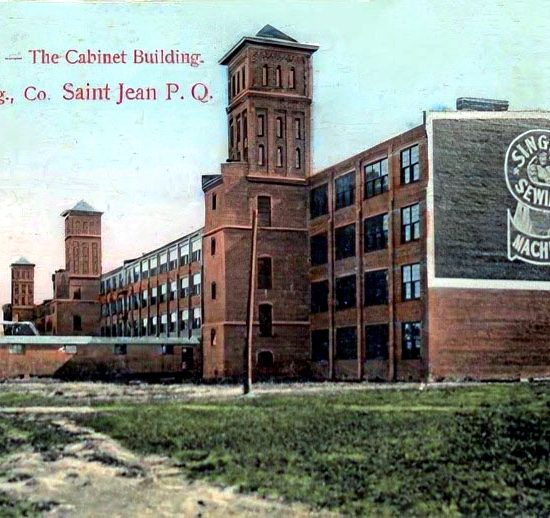
Singer operated sewing machine factories across the globe, producing machines in locations such as the United States, the United Kingdom, Italy, France, Canada, Mexico, Japan and many others. For bigger factories we have the official allotment records, while for smaller factories records are usually lost to time.

Our factory research combines historical records (serial prefix allocations, location codes used in model numbers, operating dates) with verified machines to understand which models, serial number ranges, decals and production details are connected to each factory.

The long-term goal is to use this information to better understand and date machines even when original production records are incomplete.

Need help on repairing your vintage sewing machine?

Find a vintage sewing machine repair specialist near you.

As part of our broader effort to document and preserve vintage sewing machine knowledge, the directory helps you search for technicians near a specific location, who can understand and service vintage mechanical machines.

We are constantly expanding our map of vintage sewing machine repair shops from around the world. Do you know a technician or service that’s not on our map yet? Fill in the form, well’ be  glad to add it for anyone!

Other manufacturers: PFAFF serial number database

Besides Singer, we are also documenting other manufacturers.

As for Singer, if you own a PFAFF sewing machine you can use our PFAFF Serial Number Database: just input the serial number and find out how old your machine is. PFAFF records register just the year of manufacture, but we are also collecting information on verified machines, to help you identify the model as well.

If you know info about a PFAFF machine, tell us about it using the dedicated form: you’ll help us keep the database as accurate as possible. 

Our vintage sewing machines

We are the proud owners of a few vintage sewing machines. It all started when we got the occasion to get the first Singer 15, then we inherited other two, then acquired more.

Here we explore them, test them, compare them, uncover the manufacturer’s history, and more.

Vintage sewing machine mutual help

We’re building a database of vintage sewing machine serial numbers as detailed and accurate as possible. Starting from historical factory records, we are constantly expanding it with manuals, decals info, photos and real machine data. Our goal is to preserve and share this knowledge with the sewing community.

Help us preserve vintage sewing machine history: share information about your machine, suggest missing records, recommend repair specialists, or ask for help identifying your sewing machine.