Skip to main contentSkip to footer

In use from 1912 up to 1923

Recorded serial numbers: 16,550

Recorded factories:

Half-size, chainstitch sewing machine on an iron base, designed for domestic use.

It was made for a brief period: less then 10 allotment batches are documented in surviving serial number records, for a total of less than 20000 machines.

Major production for this class ended in 1913, with a production run documented in 1923.

The serial number is stamped into the underside base of the machine.

Documented Machines

(What does it mean?)

Total n.: 3

Factories:

Documented Decals:

Documented years: 1913
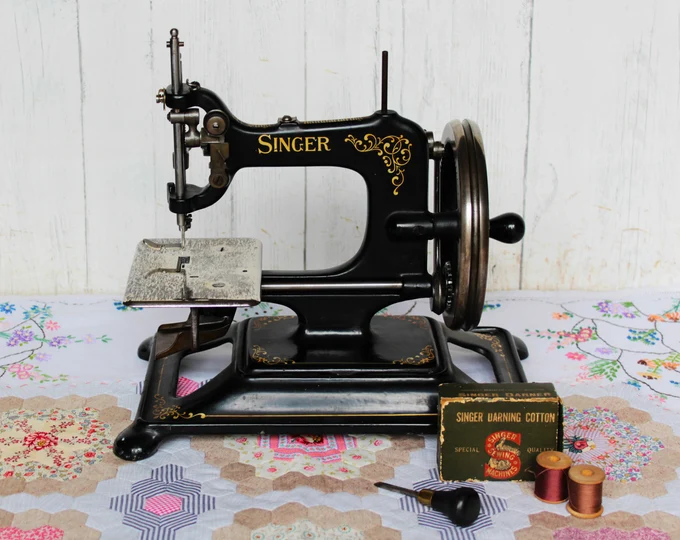
Singer class 30

Table of contents

Factories

FactoryTot. MachinesDecalsYears
Kilbowie, Clydebank (Scotland, UK)16,550Curlicue1912–1934
16,548No known decal1912–1934
2Curlicue1913

Decals

DecalTot. MachinesFactoriesYears
Curlicue2Kilbowie, Clydebank (Scotland, UK)1913

Manuals and Lists of Spare Parts

No user manuals or service manuals found for this class, yet.

No lists of spare parts found for this class, yet.

About the data shown here

The information here about decals is based on “Documented Machines” currently recorded in our database. We currently do not have an official Singer source about which decals were in use where, when and on which machines.

The information about factories and serials, instead, is based on the official Singer factory records that survived, plus the “Documented machines” we could verify.

Our dataset is continuously growing as new machines are documented and shared by collectors and researchers. As a result, the details presented here should be considered indicative and may be updated over time.

Contributions are very welcome: if you own or know of a vintage Singer machine, please feel free to submit information via the form or contact us to help improve and expand this research.

Do you want instead to identify your Singer sewing machine age and/or model? You can use our Singer Serial Number Database Lookup.